These services aim to interrupt the chain of transmission for viruses (like flu, SARS‑CoV‑2, and other respiratory or contact‑spread viruses) in homes, offices, schools, clinics, and public buildings. They address both contaminated surfaces and virus‑laden aerosols and droplets that can remain in the air, especially in poorly ventilated rooms.
Targeted surface disinfection
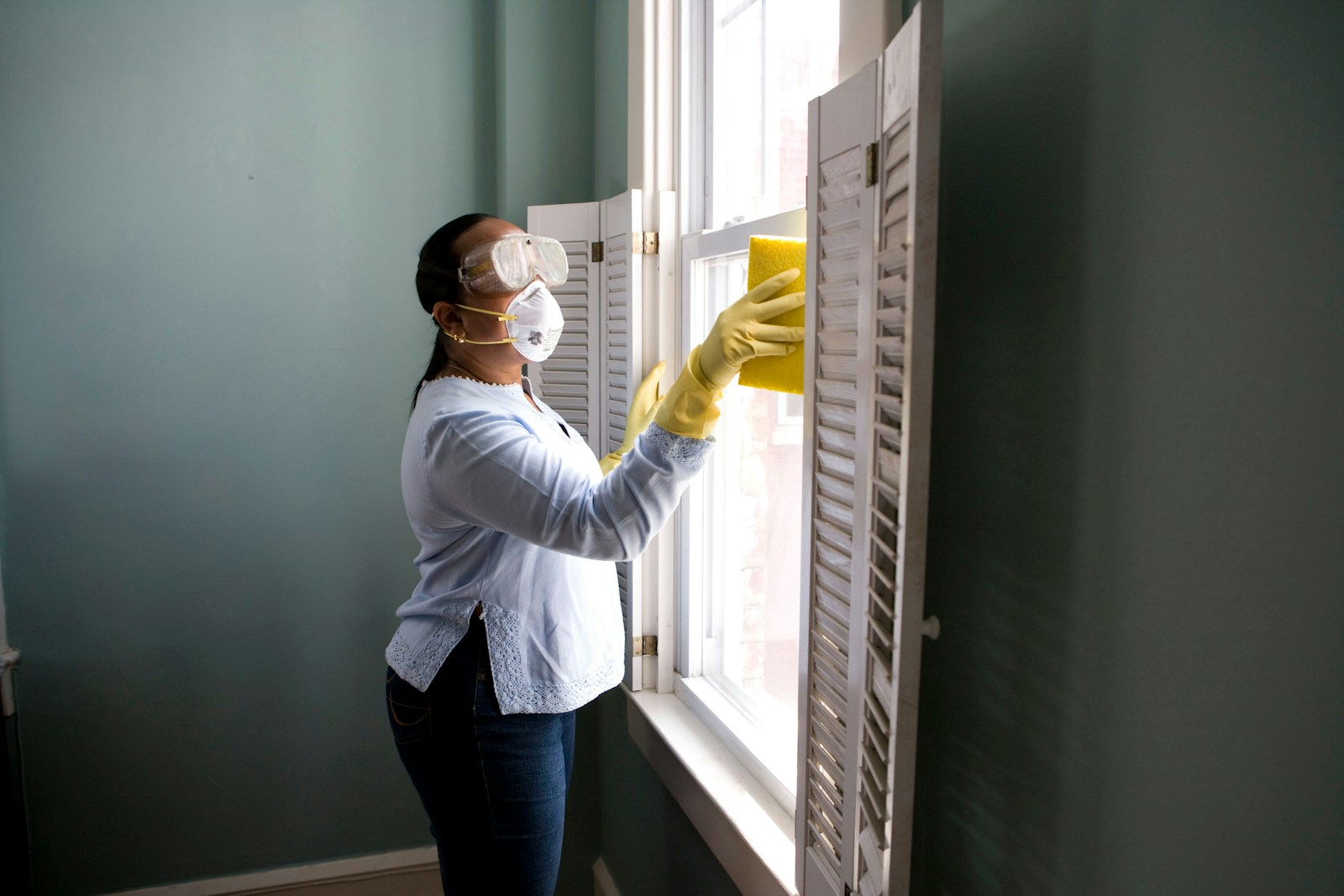
High‑touch surfaces such as door handles, switches, rails, desks, taps, and shared equipment are cleaned and then treated with virucidal disinfectants proven to inactivate enveloped and non‑enveloped viruses. Enough solution is applied to keep surfaces wet for the required contact time so the product can work effectively.
Whole‑area fogging or misting
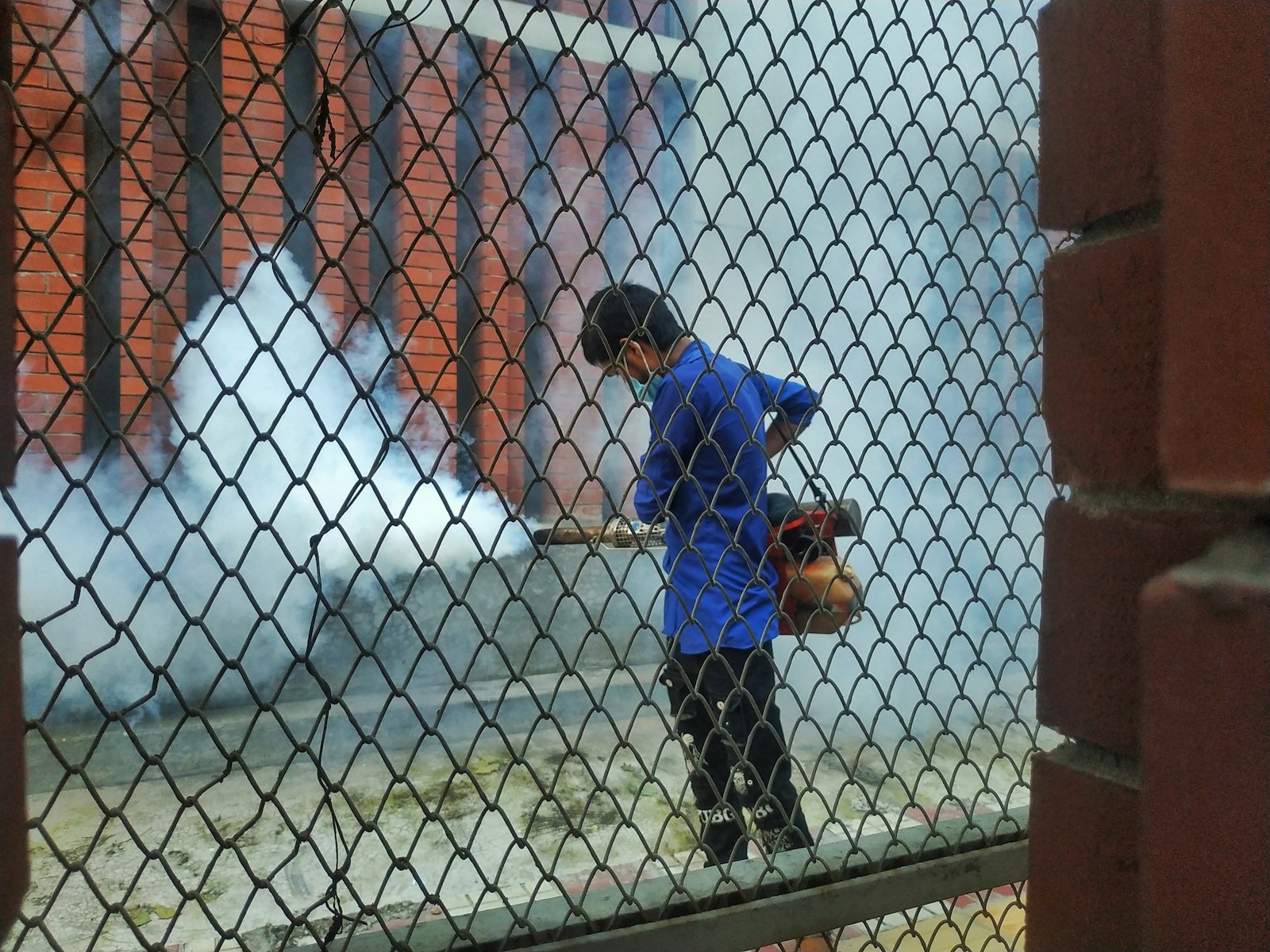
In larger or complex spaces, ULV fogging or electrostatic spraying can distribute a fine mist of approved disinfectant that settles onto exposed surfaces and into hard‑to‑reach areas, giving 360‑degree coverage in less time.
Ventilation and air‑quality measures
Guidance often includes improving fresh‑air ventilation, upgrading filters, and using portable air cleaners so virus particles in the air are diluted or removed, not just treated on surfaces.
Effective viral infection control lowers the risk of outbreaks, helps protect vulnerable people, and supports business continuity by reducing sick days and closures. It also demonstrates compliance with national infection‑prevention guidelines and gives staff, customers, patients, and families greater confidence in the safety of the environment.