Anti‑Termite Treatment
Termites are silent, wood‑destroying insects that attack buildings from the ground up, often causing serious structural damage before any visible signs appear. Anti‑termite treatment protects new and existing properties by creating a treated barrier in the soil and structural elements so termites cannot enter or survive around the building.
Why anti‑termite protection is important
Hidden structural damage
Termites feed inside timber, drywall, and frames, hollowing them out and weakening beams, floors, and walls without obvious early warning.
High repair and replacement costs
If not treated in time, termite damage can require major repairs to foundations, doors, windows, cabinets, and flooring and can reduce property value.
Better to prevent than cure
Pre‑construction anti‑termite treatment is far more cost‑effective than dealing with a full infestation later and extends the service life of the structure.
Pre‑Construction Anti‑Termite Treatment
Pre‑Construction Termite Shield
This treatment is carried out before the building is finished to stop termites from ever entering the structure. Four Leed applies approved termiticides to the soil at foundation trenches, plinth areas, flooring zones, and wall–floor junctions to create a continuous chemical barrier beneath and around the future building.
Key steps (for explanation on the page):
Treating the bottom and sides of foundation trenches and pits before concrete is poured.
Treating plinth fill and sub‑structure areas that will be in contact with soil.
Treating the flooring area on the compacted earth before laying the slab or tiles.
Treating the junction of walls and floors and the external perimeter to close any gaps in the barrier.
This pre‑construction system offers long‑term protection at relatively low cost compared to post‑construction repairs and re‑treatments.
Post‑Construction Anti‑Termite Treatment
Post‑Construction Termite Protection
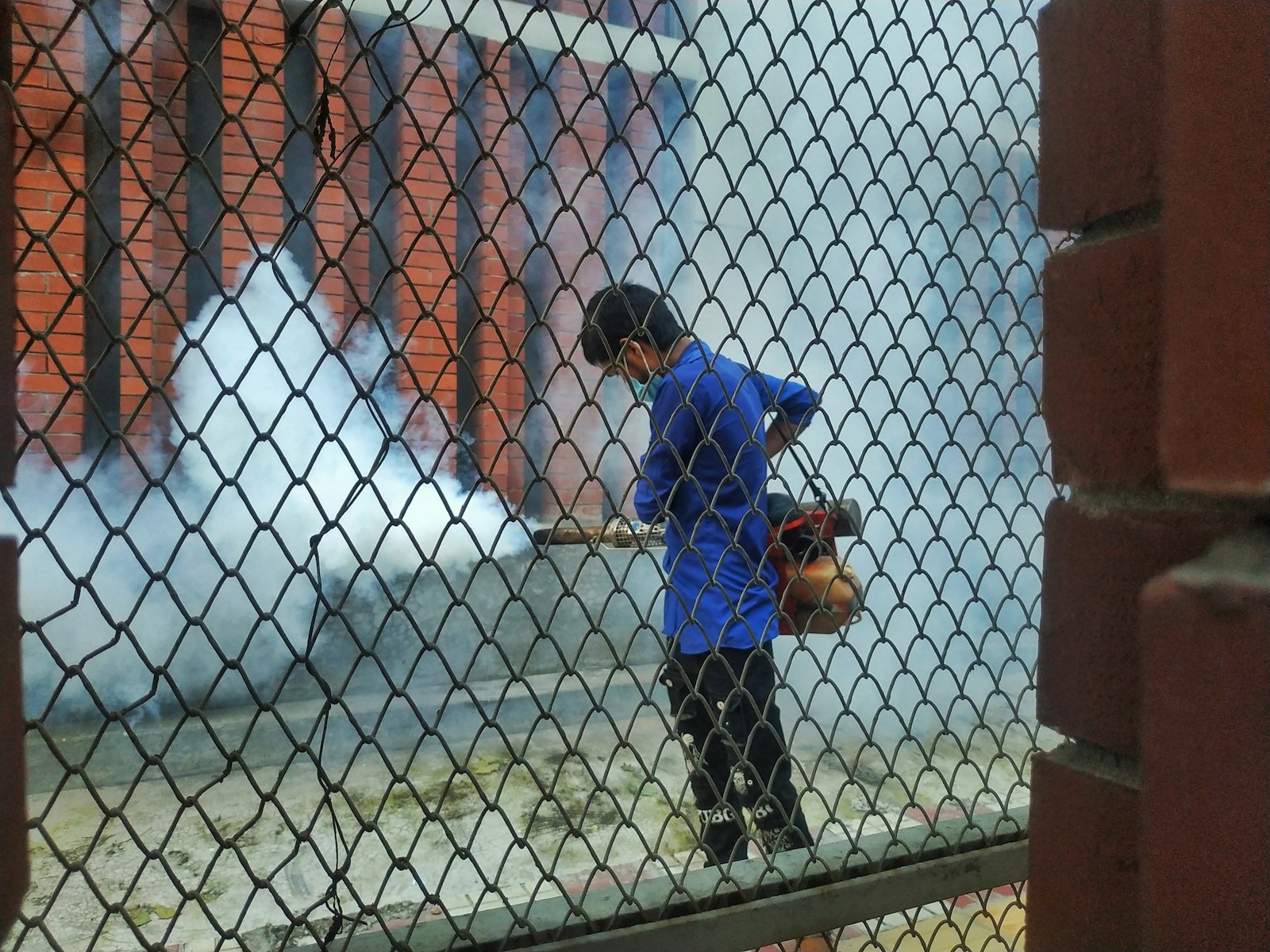
For existing homes and commercial buildings, Four Leed provides post‑construction treatment to eliminate active colonies and restore a protective barrier. Technicians inspect for mud tubes, hollow‑sounding wood, and entry points, then apply termiticides through drilling, trenching, and other approved methods around the structure.
Key methods (you can list as bullets on the site):
Drilling and injection: Holes are drilled along internal and external wall–floor junctions at fixed intervals, and liquid termiticide is injected to form a sub‑slab barrier.
Trenching and rodding: Shallow trenches are made around the outside foundation, and termiticide is applied to the soil to create a “chemical moat” termites cannot cross.
Bait stations (where suitable): Termite bait stations are installed in the soil perimeter so termites carry slow‑acting toxic bait back to the colony for long‑term control.
Direct wood treatment: In some cases, exposed wooden elements are treated directly to protect them from future attack.
Monitoring, safety, and documentation
Four Leed uses municipality‑approved termiticides and follows Abu Dhabi public‑health pest control guidelines to ensure applications are safe and effective. After treatment, clients receive inspection and treatment reports and can opt for periodic follow‑up inspections to monitor activity and maintain warranty and documentation for property records.