Pest control protects health, property, and food by identifying pests, understanding the problems they cause, and applying safe, targeted solutions. A detailed section on your site can explain services, common problems, and how Four Leed solves them.
Common pest problems
Health risks Rodents, cockroaches, flies, mosquitoes, and other pests spread diseases such as salmonellosis, leptospirosis, malaria, dengue, and food‑borne illnesses through bites, droppings, and contamination of food and surfaces. They can also trigger asthma and allergies, especially in children and sensitive individuals.
Property and structural damage Termites, rodents, and some insects damage wood, wiring, insulation, and stored items, leading to costly repairs and increased fire risk. Hidden activity behind walls and under floors means the damage is often discovered late.
Food safety and reputation issues Pests in kitchens, warehouses, and food outlets contaminate products, cause odours, and can result in customer complaints, failed audits, and business interruptions.
Our pest control services
Rodent control Inspection, blocking entry points, and using bait stations, traps, and monitoring devices to control rats and mice while protecting people, pets, and non‑target animals.
Crawling insect control Targeted treatments for cockroaches, ants, bed bugs, and other crawling pests using residual sprays, gel baits, and crack‑and‑crevice applications in high‑risk areas such as kitchens and washrooms.
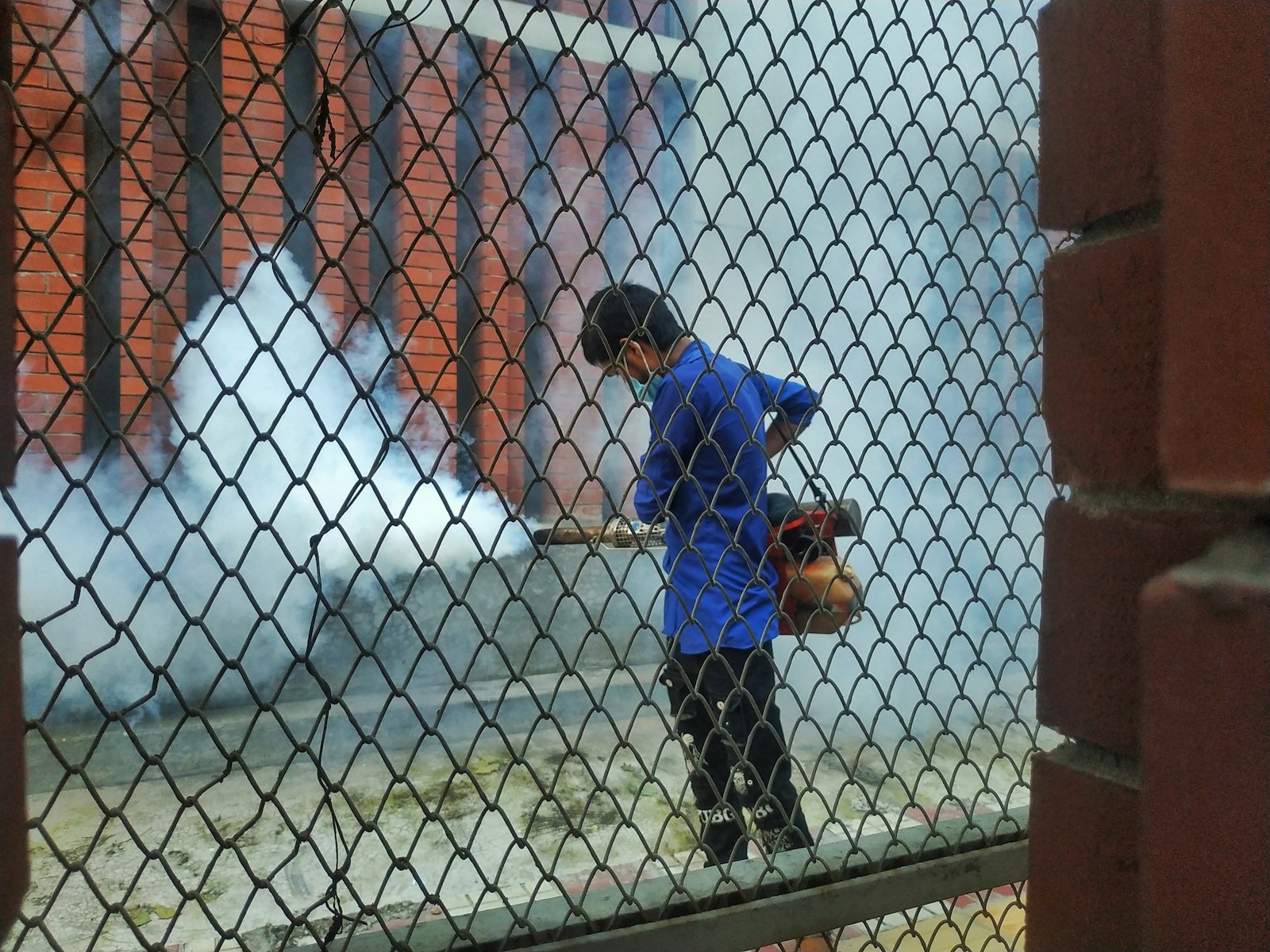
Flying insect control Control of flies and mosquitoes through source reduction, sanitation measures, trapping devices, and approved misting, fogging, and larviciding methods in and around buildings.
Termite control (pre & post construction) Pre‑construction soil and structural treatments plus post‑construction inspections, drilling, and barrier systems to protect foundations, walls, and wooden elements from termite damage.
How our process works
Inspection and identification Technicians carry out a detailed inspection of indoor and outdoor areas, identify pest species, and assess conditions such as moisture, food sources, and entry points. Correct identification guides the safest and most effective control methods.
Planning and integrated solutions A tailored plan is created using Integrated Pest Management (IPM): combining sanitation, proofing, physical measures, and targeted use of pesticides to minimise risk to people and the environment. The aim is to prevent unacceptable levels of pest damage while keeping treatments economical and sustainable.
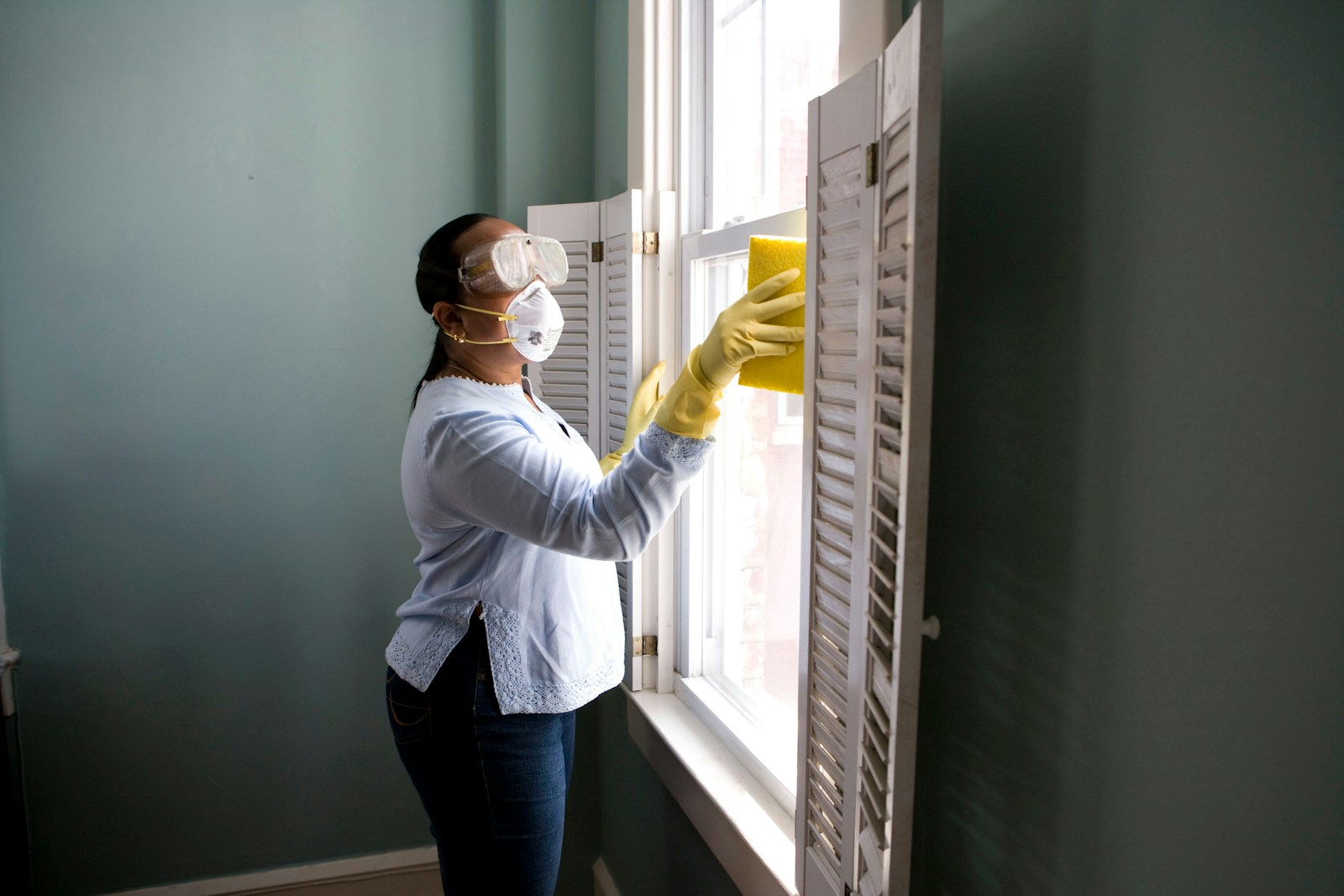
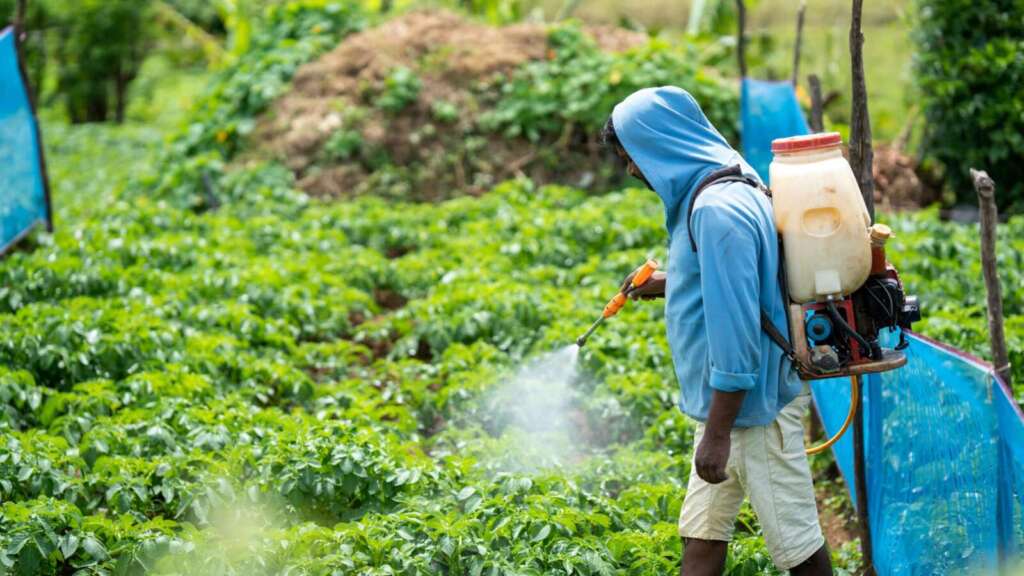
Treatment and safety measures Four Leed uses odorless, stainless, low‑toxicity pesticides approved by WHO and local authorities, applied with modern PPE and in strict accordance with labels and MSDS. Green or organic options and non‑chemical methods are used where possible, especially in sensitive environments.
Monitoring, reporting, and follow‑up After each service, inspection and treatment reports are provided, and periodic visits are recommended because one‑time treatments rarely give long‑term protection. Ongoing monitoring and contract programs help reduce complaints, pesticide use, and future infestations over time